Steel Containers remain a practical foundation of global trade, from factory loading bays to crowded transshipment terminals. Their steel frames resist stacking forces, handling impacts, and changing weather. That durability matters when a box crosses several seas before reaching a warehouse. Containers also provide predictable dimensions for ships, cranes, railcars, and trucks. This coordination reduces manual handling and supports more reliable cargo planning.
UNCTAD’s Review of Maritime Transport 2024 reports that ships carry over 80% of world merchandise trade by volume. The World Shipping Council describes container shipping as essential for manufactured goods, food, machinery, and raw materials. ISO container standards establish common dimensions and handling requirements across international supply chains. These references explain why Steel Containers remain widely trusted. They fit an operating system, not merely a storage need.
The choice is not perfect. Steel adds weight, can corrode, and may require inspection after harsh voyages. Proper coatings, sound door seals, and scheduled maintenance can extend service life. Small details matter. A damaged corner fitting can disrupt lifting, stacking, and delivery schedules. The World Bank’s Logistics Performance Index also shows that infrastructure, tracking, customs, and reliability shape logistics results. A strong container cannot fix every weak link. Still, it offers measurable protection, repeatable handling, and broad compatibility. For exporters, importers, and logistics managers, these advantages deserve closer examination. This article explores why steel continues to serve global shipping, where its limits appear, and how informed maintenance can improve long-term value.
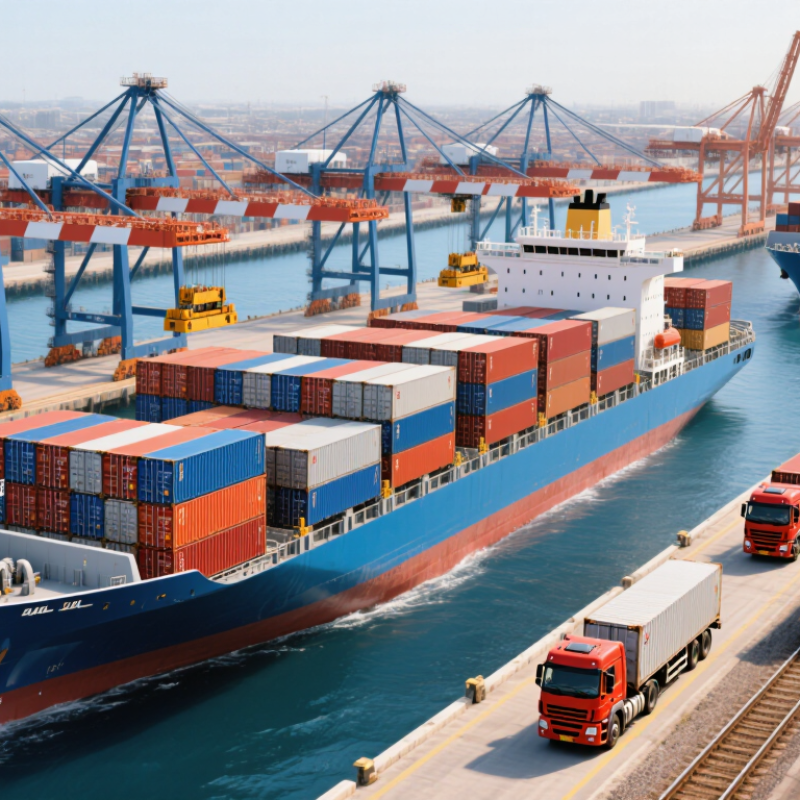
Why Choose Steel Containers for Global Shipping?
What Are Steel Shipping Containers?
Steel shipping containers are standardized cargo boxes designed for repeated transport by ship, rail, and road. Most use weather-resistant steel, corrugated side panels, double doors, and reinforced corner castings. These parts let cranes lift a loaded container safely and help it resist stacking pressure.
ISO 668 defines common container dimensions, including the widely used 20-foot and 40-foot formats. This uniformity allows cargo to move between transport systems without being repacked. It sounds simple. It is not always simple in practice.
The UNCTAD Review of Maritime Transport 2024 states that over 80% of global merchandise trade by volume moves by sea. Steel containers support this enormous network by protecting machinery, packaged goods, and industrial materials from rain, salt air, and impact. Their enclosed structure also improves handling control during long journeys.
A container is not indestructible. A small roof puncture can cause serious water damage, while a bent corner casting may affect safe lifting. The International Convention for Safe Containers requires inspections and safety approval before continued use. Experienced operators still check floors, door seals, locking bars, and visible corrosion before loading.
Drewry’s Container Census reports continued growth in the worldwide container fleet, reflecting strong demand for standardized equipment. Yet steel production has environmental costs, and empty repositioning adds unnecessary movement. Choosing the right size, maintaining the box, and planning return routes can reduce waste. The overlooked detail is often the most expensive one.
Corrugated walls absorb ordinary impacts from forklifts, cranes, and rough port movements.
No. Steel is not magic.
Keep pallets level and leave airflow around sensitive goods.
Check the floor, roof, doors, corner fittings, and locking bars.
Predictable dimensions let cranes, rail platforms, trucks, and warehouses handle units more efficiently.
No. Weight, center of gravity, doorway clearance, and floor condition still matter.
Start with a dry container and dry cargo.
Take photographs of the loaded cargo and container condition.
Steel containers add considerable tare weight and may corrode in humid environments.
Steel Containers are durable, reusable units designed to move goods safely across ships, trains, trucks, and storage facilities. Built with strong metal walls, reinforced frames, secure doors, and weather-resistant surfaces, they help protect cargo from rain, dust, impact, vibration, and changing temperatures during transit. Their enclosed structure also improves security and keeps shipments organized throughout the journey.
Steel containers are especially valuable in global logistics because standardized sizes and fittings allow them to move efficiently between different transport systems. This compatibility simplifies loading, unloading, stacking, handling, and temporary storage, reducing delays and unnecessary cargo transfers. When selecting a container, shippers should consider the type, size, weight, volume, and sensitivity of the goods, as well as ventilation, insulation, accessibility, and condition requirements. Choosing the right steel container can improve space utilization, protect products, support reliable scheduling, and create a more efficient shipping process from origin to destination.

 Kimsuk Rack