Top 10 Types of Steel Platforms for Global Buyers

Time:2026-10-13 Author:Oliver
0%

Choosing the right Steel Platforms can shape workplace safety, installation speed, and long-term operating costs. Global buyers often compare designs from catalog images, yet a platform’s real value appears under daily loads, weather exposure, and maintenance pressure. A compact mezzanine may suit an indoor warehouse, while a galvanized access platform may perform better near moisture or chemical handling areas. Details matter. Deck thickness, guardrail height, stair angle, drainage, weld quality, and surface treatment can change the buying decision.

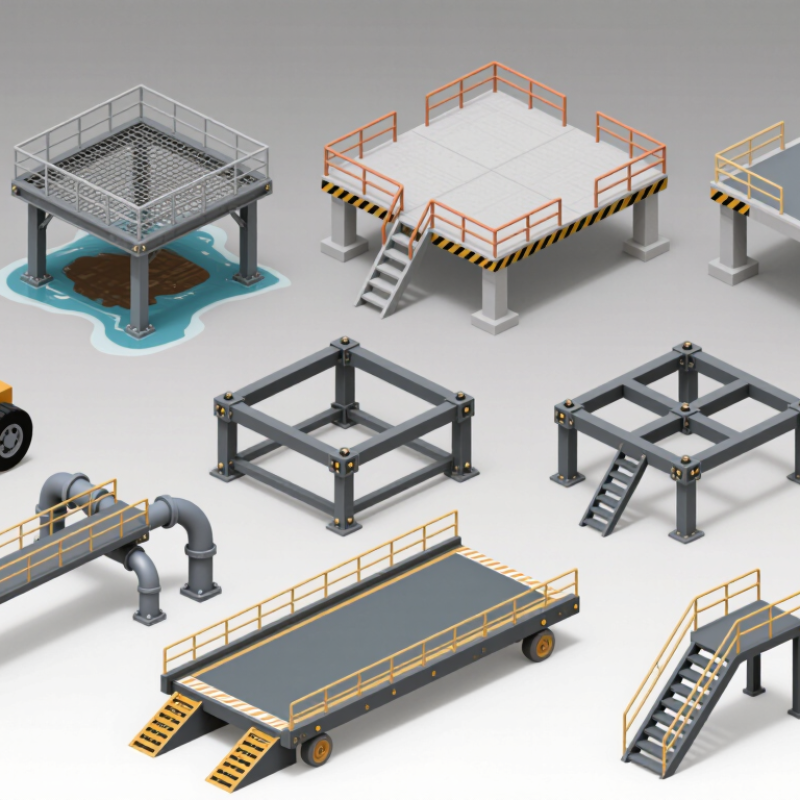
This guide introduces the top 10 types of Steel Platforms used across industrial, commercial, and infrastructure projects. It considers fixed platforms, mobile platforms, modular systems, work platforms, catwalks, loading platforms, and specialized access structures. Each type serves a different purpose. Some prioritize high load capacity. Others support frequent movement, quick assembly, or limited floor space. Buyers should also review drawings, load calculations, material certificates, inspection records, and installation instructions before approval. Regional standards and site conditions must be verified with qualified professionals.

There is no universal best option. That part is easy to overlook. A low-cost platform can become expensive when corrosion appears early or workers struggle with access. Product descriptions may also omit practical limitations, such as uneven floors, restricted crane access, or difficult replacement work. Careful comparison is therefore essential. By examining construction, safety features, maintenance needs, and supplier reliability, international buyers can make decisions based on evidence rather than attractive photographs alone. Some projects still require adjustment after installation, which is not failure, but a useful reminder to plan realistically.
Top 10 Types of Steel Platforms for Global Buyers

Steel Platform Basics: Definition, Structure, and Industrial Applications

Top 10 Types of Steel Platforms for Global Buyers

Steel Platform Basics: Definition, Structure, and Industrial Applications

A steel platform is a raised, load-bearing surface for people, equipment, storage, or maintenance. Its basic structure includes a deck, beams, columns, bracing, connections, stairs, and guardrails. Common types include mezzanine platforms, equipment platforms, pipe racks, loading platforms, access walkways, maintenance platforms, inspection platforms, marine platforms, modular platforms, and temporary work platforms.

Decks may use steel grating, chequered plate, or composite panels. Beams transfer loads to columns and foundations. Bracing controls sway, while bolted or welded joints maintain structural continuity. In practice, drainage, corrosion protection, vibration, and clear headroom can matter as much as strength. A dry drawing can miss a wet boot.

The World Steel Association reported 1.892 billion tonnes of crude steel production in 2023, showing the material’s global industrial scale. The International Energy Agency identifies iron and steel as responsible for roughly 7% to 9% of global carbon dioxide emissions. Buyers should therefore review steel grade, coating life, recycled content, and inspection records, not only price. Capacity calculations should include workers, tools, stored materials, wind, seismic effects, and dynamic equipment loads. ISO 14122 and applicable local safety codes provide useful guidance for permanent access systems, but local approval remains essential. Even experienced teams can overlook maintenance access. That oversight deserves deliberate review.

How Steel Platforms Are Classified by Design, Height, and Function

Top 10 Types of Steel Platforms for Global Buyers

Steel platforms are commonly classified by design, height, and function. Design-based types include fixed platforms, mobile platforms, modular platforms, cantilever platforms, truss platforms, and tower platforms. Fixed models suit permanent production areas, while mobile units support changing work locations. Modular frames can be expanded, but connection quality needs careful checking.

Height creates another practical classification. Low platforms support ground-level access and routine inspection. Medium-height platforms often serve warehouses, processing lines, and maintenance zones. High platforms include tower structures and elevated observation decks. Their design must consider wind pressure, vibration, guardrail height, stair angles, and emergency access. Small details matter.

Function usually defines the final four types: work platforms, mezzanine platforms, loading platforms, and access catwalks. Work platforms provide stable standing space around machinery. Mezzanines add usable floor area without new foundations. Loading platforms handle materials and require clear load ratings. Catwalks guide workers between equipment and elevated areas. In field inspections, buyers often find that one platform fits several categories. This overlap can create confusion. A modular mezzanine may also function as a storage deck, while a tower platform may support inspection equipment. It is easy to focus on steel thickness and overlook drainage, surface treatment, or bolt access. That mistake can increase maintenance time. Buyers should compare drawings, load data, working height, installation conditions, and inspection records before approval. Supplier claims help, but measured details are more reliable.

Top 10 Types of Steel Platforms for Global Buyers

Steel platforms are commonly classified by their structural design, working height, and intended function. The chart compares indicative maximum working heights for widely used platform types in industrial, construction, infrastructure, and offshore applications.

Height ranges are representative industry-use values rather than fixed standards. Final platform dimensions depend on load requirements, access systems, safety regulations, site conditions, and engineering design.

Top 10 Steel Platform Types for Different Global Industries

Top 10 Types of Steel Platforms for Global Buyers

Steel platforms serve different industries, climates, and working routines. The best choice depends on load, access, corrosion, and maintenance needs.

  1. Access platforms support safe movement around machinery.
  2. Maintenance platforms give technicians stable working space.
  3. Mezzanine platforms increase warehouse storage without new buildings.
  4. Equipment platforms carry pumps, tanks, and compressors.
  5. Loading platforms improve truck and container handling.
  6. Solar maintenance platforms support inspection around large photovoltaic arrays.
  7. Offshore platforms require strong corrosion protection and wind resistance.
  8. Process platforms connect workers to valves and pipelines.
  9. Picking platforms help distribution centers reach elevated inventory.
  10. Bridge platforms support inspection teams above roads, canals, or railways.

Construction remains the largest steel-use sector, representing about 50% of global steel demand, according to the World Steel Association’s 2024 industry data. Its April 2024 Short Range Outlook forecast global steel demand at 1.752 billion tonnes in 2024. This scale explains why buyers often compare modular platforms, galvanized finishes, and bolted assemblies.

Energy demand is changing platform design. The International Energy Agency’s Renewables 2024 report expects solar photovoltaic capacity to provide nearly 80% of renewable growth through 2030. Solar platforms therefore need clear walkways, drainage, and low-maintenance surfaces. A heavy platform is not automatically better. Engineers must check vibration, live loads, snow, wind, and local access rules. A neat drawing can still fail in a wet, crowded plant. That assumption deserves review.

Key Materials, Load Ratings, Safety Features, and Customization Options

Top 10 Types of Steel Platforms for Global Buyers

Steel platforms vary widely, from mezzanines and catwalks to loading docks, tower platforms, and maintenance decks. Material choice controls durability and weight. Common options include carbon steel, galvanized steel, and stainless steel. ASTM A36 suits many general structures, while higher-strength grades can reduce member sizes. Galvanizing helps resist outdoor corrosion, but damaged coatings still need repair. The World Steel Association reported approximately 1.88 billion tonnes of crude steel production in 2023, showing the material’s global industrial importance.

Load ratings require more than a simple “heavy-duty” label. Engineers should calculate workers, tools, stored materials, impact forces, wind, vibration, and equipment loads. OSHA 1910.22 requires walking-working surfaces to support their maximum intended load. EN 1991-1-1 and local structural codes also define occupancy-based actions. A platform may look overbuilt and still fail its real duty. That detail is often missed.

Safety features should include guardrails, toe boards, non-slip grating, safe stairs, and self-closing access gates. The U.S. Bureau of Labor Statistics recorded 885 fatal workplace injuries involving falls, slips, or trips in 2023. Small design decisions matter. Customization can include adjustable legs, drainage grating, removable sections, lifting points, and corrosion-resistant finishes. However, casters, cantilevers, and unusual spans require separate engineering checks. Buyers should request stamped calculations, weld procedures, inspection records, and clear load plaques before installation. Guesswork remains expensive.

How Global Buyers Evaluate Quality, Cost, Suppliers, and Delivery Terms

Top 10 Types of Steel Platforms for Global Buyers
How Global Buyers Evaluate Quality, Cost, Suppliers, and Delivery Terms

Steel platforms include fixed access platforms, mezzanines, maintenance decks, loading platforms, stair platforms, pipe racks, equipment platforms, tower platforms, offshore decks, and modular systems. Each type requires different load calculations, connection details, corrosion protection, and inspection records. World Steel Association data recorded approximately 1.89 billion tonnes of crude steel production in 2023. This scale supports broad sourcing, but it does not guarantee consistent platform quality.

Experienced buyers check material certificates, welding procedures, dimensional tolerances, surface preparation, and coating thickness. They also request drawings showing live loads, point loads, handrail heights, and anchor details. Independent inspection can verify weld quality and load performance. A supplier’s factory capacity matters, but documented quality systems matter more. Sometimes, a polished factory visit proves very little.

Cost evaluation must include steel weight, fabrication, galvanizing, packing, inland transport, ocean freight, installation, and future maintenance. The OECD’s 2024 steel analysis highlighted continuing global overcapacity, which can pressure prices but increase quality variation. Buyers should compare equivalent specifications, not only headline quotations. A cheaper platform may require thicker repairs later. That is often missed.

Delivery terms need clear responsibility under the selected Incoterm, including export documents, insurance, port handling, and damage claims. UNCTAD’s Review of Maritime Transport 2024 noted that shipping disruptions can lengthen routes and raise uncertainty. Buyers should confirm production milestones, inspection dates, packing photographs, and spare fasteners before dispatch. Delivery promises still need evidence.

FAQS

How are steel platforms commonly classified?

They are classified by design, height, and function. Design types include fixed, mobile, modular, cantilever, truss, and tower platforms. Height categories include low, medium, and high platforms. Functions include work areas, mezzanines, loading decks, and access catwalks.

Which steel platform suits a permanent production area?

A fixed platform usually suits permanent production areas. It provides stable access around machinery or processing lines. Check anchors, floor conditions, guardrails, stairs, and emergency routes. Permanent does not mean maintenance-free.

When should buyers consider a modular platform?

Modular platforms suit projects requiring future expansion or changing layouts. Their frames can add storage decks, inspection areas, or maintenance levels. Inspect every connection, bolt, and splice carefully. Small gaps matter.

What load information should buyers request?

Request live loads, point loads, platform weight, and anchor details. Loading platforms need clear ratings for materials and equipment. Do not compare steel thickness alone. A thick deck can still have weak connections.

What documents help verify platform quality?

Request material certificates, welding procedures, drawings, and dimensional records. Also check surface preparation and coating thickness. Independent inspection can verify weld quality and load performance. Factory appearance proves little by itself.

What costs should be included in a platform quotation?

Include steel, fabrication, surface treatment, packing, and inland transport. Also include ocean freight, installation, and future maintenance. Compare equivalent specifications, not headline prices. Cheap today may cost more later.

What details should be confirmed before shipment?

Confirm production milestones, inspection dates, packing photographs, and spare fasteners. Clarify export documents, insurance, port handling, and damage responsibilities. Shipping disruptions may extend routes and increase uncertainty. Promises need evidence.

Which design details are often overlooked during platform approval?

Buyers sometimes overlook drainage, surface treatment, bolt access, and emergency access. They should also review wind pressure, vibration, stair angles, and guardrail height. Measured details are more reliable than general claims. I would check the drawings again.

Conclusion

Steel Platforms are engineered structures designed to provide safe, stable working, storage, access, or equipment-support areas across industries such as manufacturing, logistics, construction, energy, and warehousing. Their design typically includes deck surfaces, beams, columns, stairs, guardrails, and connection systems. Platforms can be classified by height, layout, mobility, load capacity, and intended function. Common types include mezzanine platforms, work platforms, maintenance platforms, access platforms, loading platforms, equipment platforms, storage platforms, catwalks, scaffold platforms, and offshore or industrial service platforms.

When selecting Steel Platforms, global buyers should assess structural materials, corrosion resistance, load ratings, safety features, surface treatments, and customization options. Compliance with applicable technical and workplace safety requirements is essential, while factors such as installation method, maintenance needs, total cost, production quality, supplier reliability, inspection procedures, packaging, and delivery terms also influence purchasing decisions. A well-planned platform solution should balance durability, usability, safety, transportation efficiency, and long-term value for the specific operating environment.

Oliver

Oliver

Oliver is a seasoned marketing professional with a wealth of expertise in driving brand awareness and engagement. With a deep understanding of our company's product offerings, he consistently delivers high-quality content that enriches our professional blog. His insights not only shed light on......