As we approach 2026, the demand for efficient and versatile shelving systems continues to rise. Modern shelving systems play a crucial role in organizing spaces, from homes to warehouses. They maximize storage and enhance aesthetics, making them essential for both personal and commercial use.
Today's buyers need guidance in choosing the right shelving systems. With countless options available, understanding key features is vital. Factors such as material quality, load capacity, and design flexibility can significantly impact functionality and longevity. The wrong choice can lead to inefficient use of space or even safety hazards.
In this evolving market, it’s essential to consider trends that influence shelving systems. Innovations in materials and designs cater to diverse storage needs. However, the wide array of choices can overwhelm. Buyers should reflect on their unique requirements and the potential implications of their selections before making a decision.
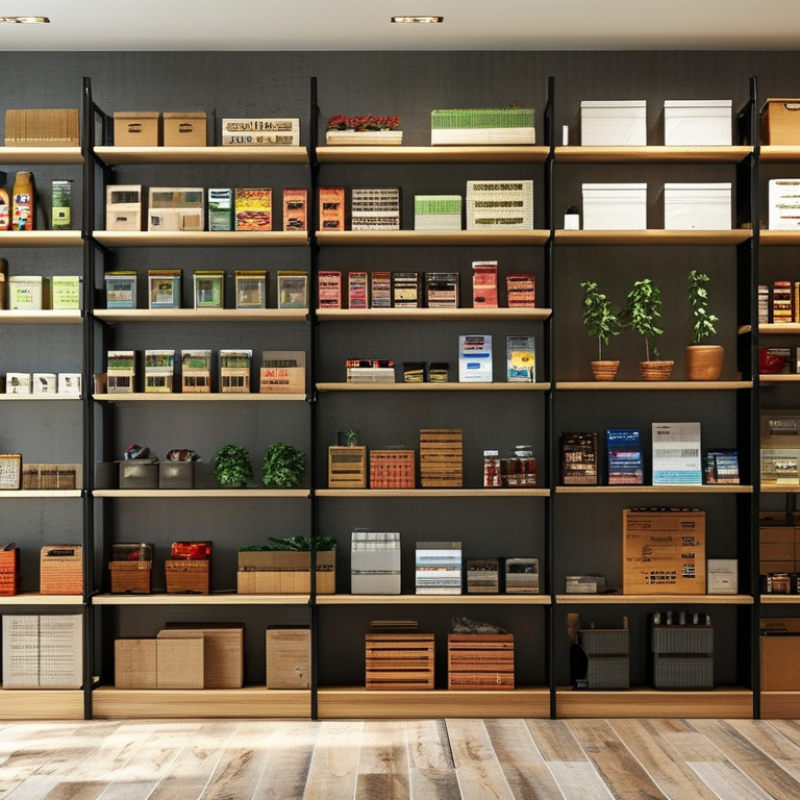
As we look toward 2026, the shelving systems market is evolving. Modern buyers are seeking more than just storage solutions. They want systems that enhance aesthetics and functionality. Minimalist designs paired with sustainable materials are trending. This shift emphasizes the need for eco-friendly options.
Customization is becoming increasingly vital. Consumers are no longer satisfied with one-size-fits-all solutions. Modular shelving allows for personalized setups, catering to specific spatial needs. Users are experimenting with different heights, colors, and materials. This offers a unique flair to any room.
Technology integration is also a focus. Smart shelving systems that track inventory or adjust lighting are gaining traction. However, the complexity of technology brings new challenges. Users must learn to navigate these systems effectively. Despite its advantages, reliance on tech can sometimes complicate simplicity in design. Buyers should consider these factors carefully.
This chart displays the projected market interest levels for various shelving systems in 2026. Adjustable shelving is expected to lead with 25%, followed closely by modular shelving at 30%. Heavy-duty shelving, mobile shelving, and smart shelving are also gaining traction, indicating a diverse range of preferences in modern storage solutions.
When selecting a shelving system, the key features can greatly impact functionality and design aesthetic. Durability is paramount. Consider materials that withstand wear and tear over time. Metal and wood are excellent options, showing strength while also offering a modern look.
Capacity matters, too. Evaluate how much weight each shelf can hold. Make sure it meets or exceeds your storage needs. Adjustable shelving is a flexible option, allowing you to customize space as requirements change. Easy assembly is also a must. Users appreciate systems that do not require extensive tools or complicated instructions.
Lastly, think about safety features. Stability is crucial to prevent accidents. Some systems include brackets or wall anchors. This can provide peace of mind, especially in busy environments. Overall, weigh these considerations against your unique needs. It's okay if some systems seem overly complex or don’t fit perfectly. Reflection on these details can guide informed choices for your shelving needs.
The shelving systems market is set for significant growth by 2026, driven by expanding retail sectors and increasing consumer demands. According to a recent industry report, the global market for shelving systems is projected to reach $18 billion by 2026, with a compound annual growth rate (CAGR) of 5.5%. This surge is primarily attributed to the rise in e-commerce and the demand for efficient storage solutions in both home and commercial environments.
As organizations seek to optimize space, versatile shelving systems will play a crucial role. Modular designs allow for customization, enabling efficient use of limited spaces. Data indicates that businesses using adaptive shelving experience up to a 30% improvement in inventory management. However, not every shelving solution fits every environment. It's essential for buyers to evaluate the specific needs of their space.
Consider the following while selecting shelving systems: choose materials that suit your environment to ensure durability and functionality. Analyze your storage needs carefully to avoid purchasing excess units that may go underutilized. Remember, a clutter-free space enhances productivity, but inadequate shelving can lead to chaos. Make informed decisions for a streamlined setup.
Sustainability is at the forefront of buyers' minds when selecting shelving systems. Choosing eco-friendly materials can significantly impact our environment. Options like reclaimed wood, bamboo, and recycled metals are becoming popular. They not only look good but also reduce waste. Modern consumers are increasingly aware of the carbon footprint of their purchases.
For those looking to make informed choices, consider sourcing from local suppliers. This not only supports the economy but also minimizes transportation emissions. Always check for certifications that verify sustainable practices. Certifications can offer peace of mind concerning the environmental claims made by manufacturers.
Think critically about the longevity of your shelving. Investing in durable products can lead to fewer replacements, reducing waste in the long run. It's worth exploring companies that offer repair services or take back old products for recycling. Small steps, like opting for modular or adaptable shelving, can also help create a more sustainable setup while providing flexibility.
Innovative technologies are transforming shelving systems for 2026. Smart shelves are now integrated with AI. These systems can assess inventory levels in real-time. They can alert users about low stock or expiration dates. Automated replenishment features save time and reduce errors.
When considering a shelving solution, think about space optimization. Adjustable and modular designs lead to flexibility. This allows for changes as your inventory grows or decreases. Company needs can evolve rapidly, so adaptability is crucial.
Evaluate the materials used in shelving systems. Lightweight but durable materials are ideal. They can support heavy loads without compromising safety. Regular maintenance is also vital. Poor upkeep can lead to structural problems over time. Pay attention to potential wear and tear. This is essential to ensure longevity.
| Type of Shelving | Material | Weight Capacity (lbs) | Innovative Features | Ideal Use |
|---|---|---|---|---|
| Adjustable Industrial Shelving | Steel | 2000 | Modular design, customizable height | Warehouses, factories |
| Wire Shelving Units | Chrome-plated steel | 600 | Ventilated design for airflow | Kitchens, pantries |
| Mobile Shelving Systems | Aluminum | 1500 | Space-saving, lockable units | Libraries, offices |
| Heavy-Duty Rack Systems | Powder-coated steel | 4000 | High load capacity, robust construction | Automotive shops, warehouses |
| Smart Shelving Systems | Composite materials | Varies | IoT integration, inventory tracking | Retail, stockrooms |
: Modern buyers seek aesthetic and functional solutions. Minimalist designs and sustainable materials are popular trends.
Consumers want personalized setups. Modular shelving allows unique arrangements based on individual spatial needs.
Smart shelving systems now track inventory and adjust lighting. However, they can complicate user experience and simplicity.
Opt for materials like metal or wood. They withstand wear and provide a modern look over time.
Assess how much weight each shelf can hold. Make sure it meets your storage requirements effectively.
Adjustable shelving allows for flexibility. You can customize space as your storage needs evolve over time.
Users prefer systems that require minimal tools and straightforward instructions. Complicated assembly can be frustrating.
Stability is key to prevent accidents. Some systems include brackets or anchors for added safety.
It’s okay if some systems seem complex or unsuitable. Reflecting on details can help you make better choices.
Technology can be challenging to navigate. Consider if the benefits outweigh the potential complications before purchasing.
As we look ahead to 2026, the landscape of shelving systems is poised for significant evolution. Key trends highlight the increasing emphasis on sustainable materials, innovative technologies, and user-centric design features. Buyers should consider crucial aspects such as durability, adaptability, and aesthetic appeal when selecting a shelving system that meets their needs.
Market analysis indicates robust growth projections for the shelving systems sector, driven by advancements in materials and functionality. Sustainability will play a pivotal role as consumers increasingly seek eco-friendly options. Moreover, innovative technologies are set to reshape the future of shelving systems, enhancing organization and efficiency in various environments. Understanding these trends and considerations will empower buyers to make informed decisions in a rapidly evolving market.

Kimsuk Rack