China Best Boltless Systems Suppliers for Global Buyers?

Time:2026-09-18 Author:Henry
0%

Choosing the right China supplier for Boltless Systems requires more than comparing prices on a product page. Global buyers need dependable steel, accurate dimensions, and stable production quality. A shelving unit may look simple, yet a loose connector or uneven beam can affect an entire warehouse aisle. Small details matter.

This guide examines suppliers through practical purchasing concerns, including material thickness, surface coating, load capacity, connection design, and packaging protection. It also considers factory experience, quality-control procedures, export records, and technical support. Reliable suppliers should provide clear drawings, product samples, inspection reports, and realistic delivery schedules. Buyers should ask how each load rating was tested, not simply accept a printed number.

Evidence matters most.

The phrase “best supplier” is not universal. A distributor may need lightweight storage for retail stock, while an industrial buyer may require heavy-duty racks for workshops or logistics facilities. Regional standards, installation habits, warehouse conditions, and after-sales expectations can also change the decision. Some supplier claims may sound convincing but remain incomplete without independent verification. That is where careful comparison becomes valuable.

This introduction outlines how international buyers can assess China’s Boltless Systems suppliers with greater confidence. It focuses on product reliability, communication, customization, total landed cost, and long-term service. However, no shortlist stays perfect forever. Factories change, materials fluctuate, and even experienced buyers can overlook packaging or replacement-part support. A thoughtful review should remain practical, transparent, and open to correction.
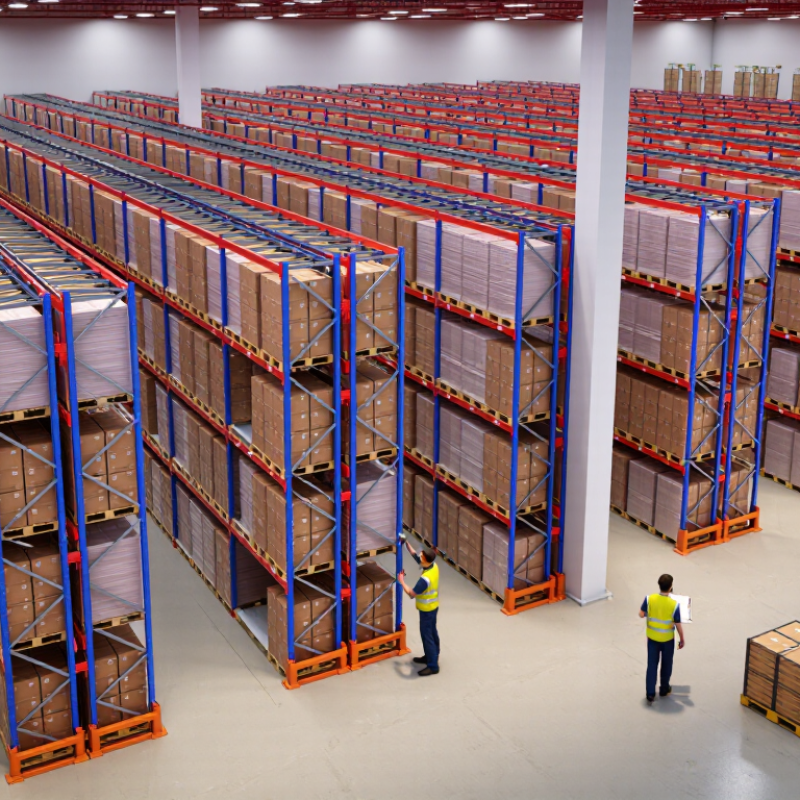
China Best Boltless Systems Suppliers for Global Buyers?

What Are Boltless Storage Systems and How Do They Work?

A boltless storage system uses interlocking steel frames instead of welded joints, bolts, or permanent fixtures. Upright posts support horizontal beams, while shelves rest on these beams or metal supports. The parts usually connect through punched slots and locking tabs. Workers can assemble the structure with simple hand tools. No welding is needed.

This design allows shelf heights to change as inventory requirements shift. A warehouse may store cartons, spare parts, tools, or archive boxes on the same frame. For global buyers, checking the supplier’s steel thickness, surface coating, load rating, and inspection records is essential. Ask whether the stated capacity applies to each shelf or the entire unit. Also verify packaging, assembly instructions, replacement parts, and shipping dimensions before placing an order. Fit matters.

In practical warehouse planning, floor condition and aisle width often receive too little attention. An uneven floor can make a tall frame unstable, even when the steel meets its rated capacity. A common mistake is choosing maximum shelf depth without considering worker access. More storage is not always better. Comparing sample drawings, test reports, and production photographs can reveal gaps between catalogue claims and actual construction. A careful buyer should also request clear installation guidance and confirm whether anchoring is recommended for the intended environment.

Key Features to Evaluate in Global Boltless System Suppliers

For global buyers, supplier evaluation should begin with evidence, not attractive catalog images. Ask for tested load ratings, steel thickness, coating details, and dimensional tolerances. A reliable supplier explains how each figure was measured. During a sample review, assemble one bay on a level floor. Check whether beams seat firmly without tools or repeated adjustments. Smooth edges matter too; they protect hands during busy picking work. Boltless systems should support changing storage needs. Look for adjustable shelf heights, compatible accessories, and clear installation guidance. This is practical experience, not a laboratory promise.

Production control deserves equal attention. Request material certificates, inspection records, and photographs from real quality checks. Confirm whether the supplier tests weld points, connector strength, and packaging before shipment. Ask for a written process for damaged parts or missing components. Communication can reveal capability. Technical answers should be specific, timely, and consistent across sales and engineering teams. Lead times need realistic buffers, especially for mixed container orders. A supplier may appear efficient, yet weak documentation can create expensive delays. That weakness is easy to overlook.

Tips: Compare samples from at least two suppliers under the same load. Measure deflection, assembly time, and surface finish. Ask for a small trial order before scaling up. Review carton protection after transport simulation, if available. Keep every approved drawing and test record. Recheck assumptions after the first delivery. Even experienced buyers can miss a connector change or a slight color difference. Reliable partnerships grow from repeatable evidence, honest limits, and responsive support.

How to Compare China’s Boltless Storage System Manufacturers

Choosing China’s boltless storage system manufacturers requires more than comparing catalog prices. Experienced buyers inspect steel thickness, beam geometry, locking strength, and surface treatment. A low price can hide thinner panels or weaker joints. Ask for drawings, load tables, and material specifications before requesting a quotation. Clear documents matter.

Request a physical sample of the upright, shelf, connector, and rubber foot. Assemble it on a level floor and check movement under load. The locking connection should fit firmly without excessive force. Measure shelf dimensions yourself. Tolerance problems often appear during installation, not in product photos. Powder coating should look even, with no sharp edges or exposed steel.

Factory evaluation also needs practical evidence. Review production equipment, welding areas, inspection records, and packaging methods. Confirm whether load testing is performed by batch or only during development. Ask how damaged parts are replaced and how complaints are tracked. A manufacturer may offer excellent customization but struggle with delivery control. Another may communicate quickly yet provide limited engineering support. This trade-off is easy to overlook.

Compare quotations using the same specifications, including steel grade, coating thickness, accessories, packaging, and shipping terms. Check independent test reports carefully, because documents can become outdated. A pilot order is safer than a large first purchase. Even careful evaluations have gaps. Humidity, uneven floors, and frequent handling can change real performance. The final decision should reflect the warehouse environment, not just the supplier’s advertised capacity.

Quality, Compliance, Customization, and Export Capabilities

China Best Boltless Systems Suppliers for Global Buyers?

Quality, Compliance, Customization, and Export Capabilities

A reliable boltless system supplier should provide more than attractive prices. In practical warehouse projects, frame thickness, beam locking, and load testing affect daily safety. Ask for material certificates, test reports, and clear load ratings for each configuration. Factory inspections can reveal uneven welding, poor coating, or inconsistent hole spacing. These details often disappear in online catalogues.

Tips: Request a sample bay before placing a large order. Check assembly time, stability, packaging, and replacement-part availability. Confirm whether the quoted load capacity applies to the complete system. It may not.

Customization should match the building, goods, and handling equipment. Suppliers with engineering teams can adjust shelf depth, upright height, deck panels, and surface finishes. However, custom drawings need careful approval. A small measurement error can affect installation across hundreds of frames. Export capability also matters. Experienced suppliers should manage packaging, container loading, product labels, inspection records, and shipping documents. They should understand the destination market’s safety and import requirements, not simply promise compliance. In my experience, communication is often the weak point. Technical replies may sound confident but remain too general. Buyers should use signed specifications, sample approvals, and staged inspections. That approach feels slower, yet it reduces costly misunderstandings. Reliability is proven through repeatable quality, honest limits, and responsive after-sales support.

This chart compares minimum yield-strength benchmarks commonly referenced in international steel procurement for boltless storage systems. Values apply to steel thicknesses up to 16 mm where specified; actual product performance depends on material thickness, forming, welding, coating, testing, and the applicable standard.

How Global Buyers Can Select the Right Chinese Supplier

Choosing the right Chinese boltless systems supplier requires more than comparing catalog prices. Global buyers should verify engineering capacity, material traceability, and export experience. The World Bank’s 2023 Logistics Performance Index gave China a score of 3.7, ranking it 19th among 139 economies. Logistics are strong, but supplier performance still varies.

Request drawings, load tables, and a sample assembly before signing a large order. Check upright thickness, beam connection design, coating coverage, and declared load limits. A warehouse rack may look rigid on a factory floor, yet behave differently after repeated loading. Ask for independent test reports, batch records, and inspection photos. ISO 9001 certification can support process control, but it does not prove every product is suitable for your warehouse.

Visit the production site when possible. Observe coil storage, welding controls, powder-coating lines, and packaging methods. The supplier should explain tolerances in plain language and provide replacement-part support. The 2023 UNCTAD Review of Maritime Transport reported continuing volatility in shipping costs and schedules, so packaging and delivery planning deserve attention. Confirm Incoterms, carton dimensions, container loading, and damage procedures in writing.

Price is only one variable. A low quotation may exclude testing, stronger steel, or safer packaging. That is easy to miss. Buyers should compare total landed cost and installation risk. I would also keep a small pilot order, even when the factory appears convincing. Confidence is useful; documented evidence is better.

China Best Boltless Systems Suppliers for Global Buyers?

How Global Buyers Can Select the Right Chinese Supplier

Selection Dimension Recommended Buyer Benchmark Why It Matters Documents or Evidence to Request Priority
System Type Confirm whether the supplier provides rivet, boltless, clip-in, or slot-in shelving and whether the design matches the intended use. Different connection systems affect assembly time, rigidity, adjustability, and replacement of components. Product drawings, connection details, assembly instructions, and photographs of completed installations. High
Load Capacity Specify the required load per shelf, bay, and upright before quotation. A typical light- to medium-duty shelving project may require approximately 100–500 kg per shelf, depending on configuration. Load capacity is affected by shelf span, beam profile, steel thickness, number of levels, bracing, and installation conditions. Load tables, engineering calculations, test reports, and a written statement of assumptions such as evenly distributed load. High
Dimensions and Modularity Request exact bay width, depth, height, shelf pitch, and allowable adjustment increments. Common warehouse configurations use adjustable levels rather than fixed shelf positions. Modular dimensions determine storage density, compatibility with cartons or bins, and future expansion. 2D or 3D CAD drawings, dimensional tolerances, component lists, and sample layouts. High
Material Specification Require the steel grade or mechanical specification, nominal thickness, coating type, and permitted thickness tolerance for each structural component. Material and thickness directly influence strength, durability, weight, and total cost. Material certificates, mill certificates where applicable, thickness inspection records, and independent test results. High
Surface Treatment Compare powder coating, galvanized finish, or other specified treatments according to the operating environment. Define the required color and coating thickness in the purchase specification. Surface treatment affects resistance to abrasion, corrosion, humidity, and routine handling damage. Coating specification, adhesion test results, coating-thickness records, and salt-spray test reports when corrosion performance is required. Medium
Safety and Stability Check upright stability, bracing, shelf locking, edge safety, base plates, and anchoring requirements. The final system should be assessed for the intended floor and loading conditions. Stable connections and correct installation reduce the risk of collapse, falling products, and accidental disassembly. Installation manual, stability calculations, safety warnings, anchoring instructions, and inspection checklist. High
Quality Management Prefer a supplier with documented incoming-material inspection, in-process checks, final inspection, and traceable batch records. A repeatable quality system is more reliable than evaluating quality from appearance alone. Quality manual, inspection plans, sample inspection reports, nonconformance records, and applicable quality-management certificates. High
Production Capability Verify forming, punching, welding, coating, packaging, and assembly capacity for the required monthly quantity and delivery schedule. Capacity and process control reduce the risk of delays, inconsistent dimensions, and production bottlenecks. Factory audit report, production-flow photographs, equipment list, capacity statement, and current lead-time confirmation. High
Customization Confirm capability for non-standard dimensions, shelf types, dividers, bins, decking, labels, and color requirements without compromising structural performance. Customized components can improve space utilization but require engineering control and sample approval. Approved drawings, engineering change records, prototype samples, and a written confirmation of tooling or development charges. Medium
Compliance for Destination Market Identify the destination country, applicable workplace-safety rules, packaging requirements, and any required product or material declarations before production. Compliance obligations vary by market and by whether the system is used in a workplace, retail site, archive, or industrial facility. Applicable declarations, test reports, safety instructions, labeling files, and destination-market compliance checklist. High
Packaging and Export Readiness Use export-suitable packaging with protection for painted surfaces, corners, fasteners, and mixed components. Confirm palletization and container-loading plans. Good packaging reduces scratches, missing parts, moisture damage, and unloading problems during international transport. Packaging specification, carton and pallet dimensions, loading plan, moisture-protection method, and packaging-drop test records where required. High
Minimum Order Quantity Compare the supplier's standard MOQ with the planned trial order and request separate pricing for samples, pilot quantities, and full-container orders. MOQ can affect inventory risk, unit price, customization feasibility, and cash-flow requirements. Formal quotation showing MOQ, sample charges, tooling charges, production quantity breaks, and validity period. Medium
Lead Time Obtain separate lead times for samples, first production, repeat orders, and customized tooling. Confirm whether the lead time starts after drawing approval or deposit receipt. Clear milestones make delivery planning more accurate and expose hidden schedule assumptions. Production schedule, critical-path milestones, shipment terms, and delay-notification procedure. High
Commercial Terms Compare the quotation using the same Incoterm, currency, packaging basis, payment schedule, and inclusion or exclusion of tooling, freight, and taxes. Different quotation structures can make apparently lower prices difficult to compare. Signed pro forma invoice, Incoterms® 2020 reference, payment terms, cost breakdown, and bank-account verification procedure. High
Pre-Shipment Inspection Use approved drawings and a checklist to inspect dimensions, quantities, coating, accessories, packaging, and visible defects before shipment. Inspection before dispatch provides an opportunity to correct issues while the goods are still at the production site. Pre-shipment inspection report, approved sample, inspection photos, measurement records, and corrective-action plan. High
After-Sales Support Require spare-part availability, replacement policy, installation guidance, response times, and a process for handling missing or damaged components. Boltless systems may be expanded or repaired over many years, so component continuity is important. Warranty terms, spare-parts list, service procedure, response-time commitment, and component identification system. Medium
Supplier Verification Cross-check the legal entity, factory address, export experience, payment details, production site, and references from comparable projects. Independent verification reduces the risk of misrepresentation, unauthorized subcontracting, and payment fraud. Business registration details, factory audit, trade references, verified contact information, and recent production evidence. High
Buyer note: Load values, material specifications, coating performance, and compliance requirements must be confirmed for the exact configuration and destination market. Do not compare suppliers on unit price alone; evaluate the complete landed cost, documented performance, quality controls, and after-sales support.

FAQS

What evidence should buyers request from a boltless storage system supplier?

Request load ratings, steel thickness, coating details, drawings, and dimensional tolerances.

How should a sample storage bay be inspected?

Assemble one bay on a level floor. Check beam seating, shelf movement, and connector fit.

What safety details deserve close attention?

Inspect smooth edges, secure locking points, stable feet, and evenly coated surfaces.

Which production records should buyers review?

Ask for material certificates, inspection records, welding checks, and packaging inspection evidence.

How can buyers compare quotations fairly?

Use identical specifications for steel grade, coating thickness, accessories, packaging, and shipping terms.

Why is a pilot order useful?

A small trial order reveals assembly problems, delivery delays, carton damage, and missing components.

What should buyers check during factory evaluation?

Review production equipment, welding areas, inspection methods, and packaging procedures.

How important are communication and delivery promises?

Technical replies should be specific, timely, and consistent across sales and engineering teams.

What environmental conditions can change storage system performance?

Humidity, uneven floors, heavy handling, and repeated adjustments can affect real performance.

Conclusion

Boltless Systems are modular storage solutions designed for fast assembly without traditional nuts, bolts, or specialized tools. Their interlocking components allow shelves, frames, and accessories to be adjusted or reconfigured as storage needs change. For global buyers, important evaluation points include load capacity, material strength, structural stability, surface treatment, dimensional accuracy, safety design, and long-term durability. Suppliers should also demonstrate consistent production standards, clear technical documentation, reliable quality control, and responsive communication.

When comparing China’s boltless system manufacturers, buyers should review factory capabilities, production experience, inspection procedures, customization options, packaging methods, and export experience. A dependable supplier should be able to support different sizes, finishes, configurations, and branding requirements while maintaining stable quality across large orders. Buyers should compare quotations based on total value rather than price alone, considering samples, lead times, certifications, shipping support, after-sales service, and risk management. Selecting the right partner requires careful verification, transparent communication, and a clear understanding of project requirements.

Henry

Henry

Henry is a dedicated marketing professional with a profound expertise in the company's offerings. With years of experience in the industry, he possesses an impressive understanding of the market dynamics and consumer behaviors that drive success. Henry is committed to sharing his insights through......