Selecting the best motorized mobile storage solutions can be challenging. Many factors come into play, such as space efficiency, ease of use, and cost. Motorized mobile storage systems have gained popularity for their ability to maximize storage space while minimizing manual effort. They can move shelves or cabinets, allowing easy access to items.
However, not every solution is suitable for every space. Businesses, libraries, and warehouses have specific needs. It’s vital to assess your environment carefully. Usually, motorized mobile storage integrates well into various setups. But experiencing technical issues is not uncommon. It's crucial to choose a provider that offers reliable service and support.
Researching different options is essential. User reviews and expert opinions can provide insights. Many solutions exist, each with its pros and cons. Consider your unique challenges and space limitations. Ultimately, the right motorized mobile storage solution can enhance efficiency and organization effectively. Taking the time to evaluate your choices will pay off in the long run.
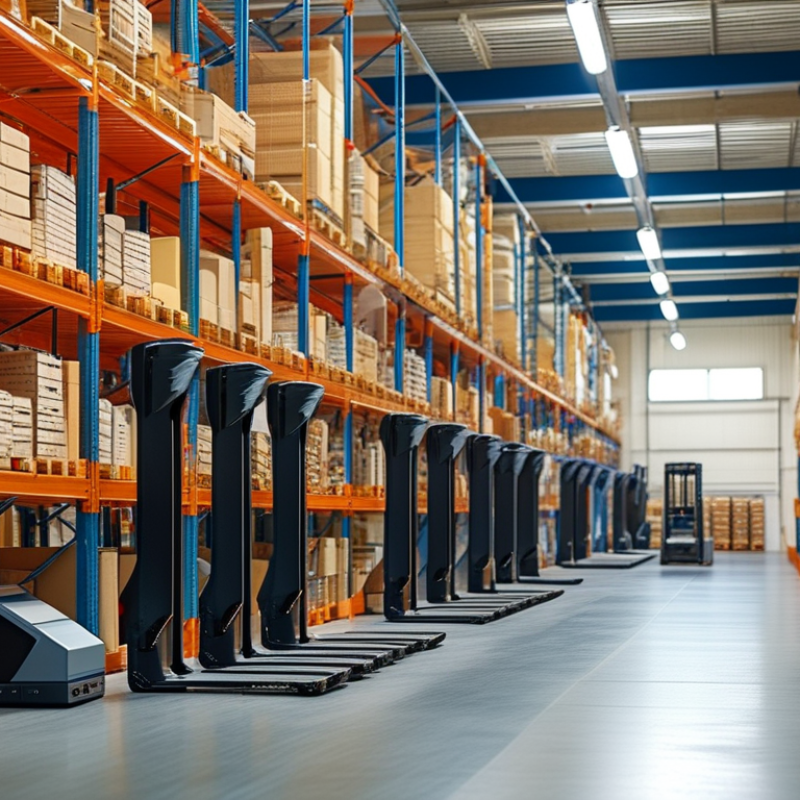
Understanding motorized mobile storage solutions is essential for efficient space management. These systems are designed to enhance organization and accessibility while maximizing available space. They can be used in various settings, including offices, warehouses, and libraries. The automation aspect allows for easier operation and can be tailored to specific storage needs.
Many users overlook the importance of compatibility. It's crucial to ensure that the motorized system you choose fits your existing infrastructure. Installing components that don’t align well can lead to inefficiencies and frustration. Measure the area carefully and evaluate your storage requirements. Think about which items will be stored in these systems, as this will influence your choices.
Consider the type of technology used in these solutions. Some systems employ advanced sensors and software for precise control. This can reduce the likelihood of errors during operation. However, such technology may require frequent updates and maintenance. Users should weigh the benefits of advanced features against the potential costs. Reflect on what you truly need to avoid overspending on unnecessary capabilities.
Choosing the right motorized mobile storage solutions involves several key factors. Capacity is essential. You need to assess your storage needs and estimate the volume of items. Think about future growth. This will prevent short-term fixes that could lead to additional costs later on.
Next, consider the ease of use. Motorized systems should be user-friendly. Complex systems can lead to frustration and inefficiencies. Test the controls before deciding. Look for models that offer intuitive features. Durability matters too. Check for materials and construction quality. Weak systems can lead to premature failures.
Budget is another significant factor. More advanced systems may have higher upfront costs. Weigh these against long-term benefits. It’s wise to allocate funds not just for the system but also for maintenance. Finding the right balance is often challenging. Reflect on what you need versus what you want.
When selecting motorized mobile storage solutions, it's crucial to evaluate the types available. For instance, automated vertical lifts and mobile shelving systems serve different needs. Automated lifts, which can increase vertical storage efficiency by up to 85%, excel in environments where floor space is limited. These systems enable easy access to items at varying heights without heavy lifting.
On the other hand, mobile shelving units benefit open areas with high shelving capacities. Research indicates that these systems can reduce retrieval times by 30% compared to traditional shelving methods. They are ideal for settings like libraries and archives, where accessibility and organization are vital. However, the trade-off lies in the footprint they require, potentially leading to constraints in smaller spaces.
It's essential to assess your organization’s specific needs. Evaluate aspects such as the storage volume, accessibility requirements, and the environment. Some users report challenges in integrating these solutions seamlessly into existing workflows. Such considerations will help ensure that the chosen solution aligns effectively with your operational dynamics.
When selecting motorized mobile storage solutions, assessing space requirements is crucial. Measure your available space accurately. Consider the height, width, and depth of the area. This ensures that your mobile storage will fit seamlessly. Keeping track of overhead clearance is vital, especially for taller units. A common oversight is underestimating room for maneuverability, which can hinder day-to-day operations.
Layout compatibility is another key factor. Think about the layout of your workspace. How will the mobile units integrate with existing furniture and workflows? Evaluate traffic flow and accessibility. Are the aisles wide enough for movement? A cramped layout can lead to safety hazards. Collaboration with a space planner can provide professional insights, enhancing your design.
Regular audits of your storage needs are necessary. As business demands evolve, so should your storage solutions. Sometimes, older units may not meet current requirements. Evaluate functionality and ease of access. Simple adjustments can create significant efficiency boosts, but it’s easy to overlook these nuances without careful attention.
Maintaining motorized mobile storage systems is crucial for their longevity and efficiency. Regular inspections are necessary. Check for wear and tear on wheels and tracks. If you hear unusual noises, it could indicate a problem. Addressing these issues early prevents further damage. Dust and debris can accumulate, impacting the system’s performance. A simple cleaning routine can make a big difference.
Safety is another vital consideration. Ensure the mobile storage units are properly anchored during use. This prevents accidental tipping. Train staff on safe operating procedures. They should know how to handle the system under various conditions. It’s not uncommon for users to overlook safety protocols. Remind your team regularly about the importance of following guidelines.
Reflect on the layout of your storage space. A poor arrangement can lead to inefficiencies. Ensure there is enough room for the system to operate without obstruction. Users should feel comfortable navigating around the units. This makes the workflow smoother and safer. Regular feedback from staff can point out potential hazards. Listening to their experiences can help refine safety practices.
| Feature | Considerations | Maintenance Tips | Safety Tips |
|---|---|---|---|
| Load Capacity | Determine the maximum weight that will be stored. | Regularly check the system's load indicators. | Ensure loads are evenly distributed. |
| Size | Measure available space for installation. | Conduct periodic sizing checks to ensure fit. | Avoid overcrowding the mobile storage units. |
| Efficiency | Evaluate motor speed and power consumption. | Keep tracks and wheels clean for optimal efficiency. | Establish clear pathways around the systems. |
| Control Mechanism | Consider user-friendly control options. | Regularly update software for motor controls. | Train staff on emergency stop procedures. |
| Durability | Select materials that withstand wear and tear. | Inspect for signs of corrosion or damage frequently. | Use protective covers when not in use. |
: They are systems designed to enhance organization and accessibility while maximizing available space in various settings.
Compatibility ensures the system fits your existing infrastructure, preventing inefficiencies and frustration during operation.
Advanced sensors and software can improve control, but they may need frequent updates and maintenance.
Common types include automated vertical lifts and mobile shelving systems, each serving different organizational needs.
Accurate measurements of height, width, and depth are vital for ensuring a proper fit for the storage units.
A cramped layout can lead to safety hazards and hinder movement, so it's important to evaluate workspace integration.
They can reduce retrieval times compared to traditional shelving and are ideal for environments requiring high accessibility.
Business demands evolve, and storage solutions must adapt to remain functional and efficient.
Yes, small changes can significantly enhance functionality, but they may often be overlooked without careful attention.
Reflect on actual needs and evaluate whether advanced capabilities are necessary for your specific storage situation.
When selecting the best motorized mobile storage solutions, it's essential to grasp the fundamentals of these innovative systems. They provide an efficient way to maximize storage capacity while minimizing physical space. Key factors to consider include the specific storage needs, ease of access, and the suitability of various designs to ensure optimal utility.
Additionally, comparing different types of motorized mobile storage can help identify the best fit for your requirements. Assessing space requirements and ensuring layout compatibility are crucial steps in the selection process. Lastly, understanding maintenance protocols and safety tips will enhance the longevity and functionality of mobile storage systems. By carefully evaluating these aspects, users can confidently choose the right motorized mobile storage solution for their needs.

Kimsuk Rack