In 2026, ASRS systems continue to revolutionize warehouse operations. Automated Storage and Retrieval Systems optimize efficiency in inventory management. They streamline processes, reduce human error, and save valuable time. This evolution reflects a growing demand for automation in logistics.
Companies are increasingly adopting ASRS systems to enhance productivity. These systems ensure precise inventory tracking and retrieval, significantly cutting down on operational costs. However, as we embrace these technologies, challenges remain. Integration complexities and initial investments may strain some businesses.
Despite these hurdles, the benefits are compelling. ASRS systems can transform storage capacity, allowing for better use of space. As we explore their advantages, it is crucial to remain mindful of the potential pitfalls. Constant reflection and adaptation will lead to successful implementation and long-term gains in the industry.
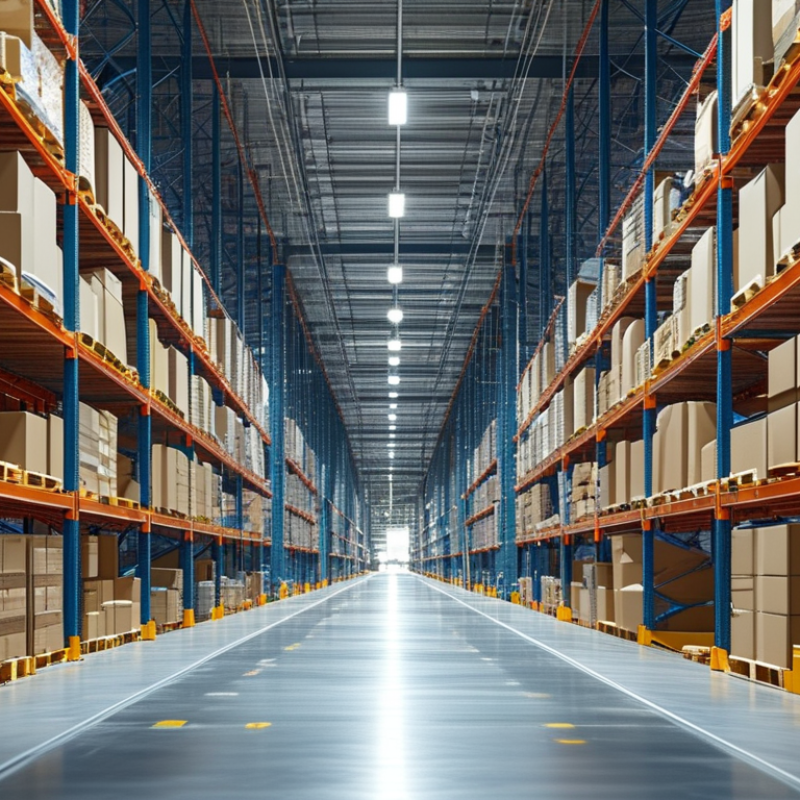
Automated Storage and Retrieval Systems (ASRS) have evolved significantly by 2026. Originally designed for basic storage functions, ASRS systems now integrate with advanced technologies like AI and IoT. This enhances their efficiency and accuracy in managing inventory. They can now operate in real-time, adjusting to demand fluctuations seamlessly.
The reliability of ASRS systems has improved, reducing downtime and increasing operational efficiency. Staff training is also evolving. Employees need new skills to interact with these advanced systems. However, reliance on technology raises concerns. What happens when systems fail? Businesses must have contingency plans in place for potential disruptions.
Customization options have flourished. Companies can tailor ASRS to meet specific needs. This flexibility boosts competitiveness. Still, organizations face challenges in integration with existing infrastructure. Ensuring smooth operations requires careful planning and execution. Balancing innovation with practicality is essential for success in this fast-paced environment.
ASRS (Automated Storage and Retrieval Systems) play a significant role in modern warehousing. These systems automate tasks like storing and retrieving products, improving efficiency. With a fast-paced market in 2026, ASRS systems help reduce labor costs and increase speed. This efficiency leads to shorter delivery times and happier customers.
One key advantage of ASRS is its ability to maximize space utilization. Warehouses often face challenges with limited square footage. ASRS can store more items vertically, optimizing space. This not only saves money on rent but also enhances inventory management. However, implementing such a system requires careful planning. Misalignment between goals and the technology can lead to inefficiencies.
Another benefit is accuracy. ASRS systems minimize human error in picking and storing items. This results in more accurate inventory records. However, occasional downtimes and technical glitches can disrupt operations. Regular maintenance and staff training are essential to mitigate these issues. Overall, embracing ASRS technology in warehousing can lead to substantial advantages while requiring a thorough understanding of its complexities.
Automated Storage and Retrieval Systems (ASRS) are transforming warehouse operations in 2026. These systems significantly enhance operational efficiency. According to a recent industry report, ASRS can improve storage density by up to 85%. This maximization allows companies to utilize space better, reducing the need for larger facilities.
Cost reduction is a crucial benefit of ASRS. Companies have reported a decrease in labor costs by approximately 30%. With fewer workers needed for manual handling, companies can allocate resources more effectively. However, these systems require a substantial initial investment. Evaluating the return on investment (ROI) becomes essential, especially for smaller organizations.
Operational speed is also boosted with ASRS. Reports indicate that order picking time can decrease by 40%. This speed leads to higher customer satisfaction but may require adjustments in workforce training. Moreover, even with all the advantages, not every enterprise has the infrastructure for ASRS integration. Careful planning is needed to ensure all factors align. The balance between benefits and potential challenges must be carefully considered.
ASRS systems have evolved significantly by 2026, primarily due to the integration of AI and automation. These advancements enhance efficiency in warehouses, reducing human error and improving inventory management. AI algorithms optimize storage space, making retrievals faster and more accurate. Automation eliminates repetitive tasks, allowing staff to focus on strategic roles.
Tips: Invest in employee training. Familiarity with new technologies boosts productivity. Monitor system performance regularly to ensure seamless operation.
The fusion of AI with ASRS systems brings challenges. Integration can be complex, needing thorough planning and resource allocation. Real-time data analytics can lead to information overload, requiring effective filtering processes. These hurdles must be addressed to maximize benefits.
Tips: Consider phased integration. This approach reduces disruption. Gather feedback during the deployment to refine processes.
| Benefit | Description | AI Integration | Automation Impact |
|---|---|---|---|
| Increased Efficiency | Faster retrieval and storage operations, reducing cycle times. | AI algorithms optimize picking paths and reduce wait times. | Automated systems streamline processes without human intervention. |
| Space Optimization | Maximizes storage capacity and minimizes footprint. | AI analyzes inventory trends to reorganize space use. | Automated shelving systems adjust to inventory needs dynamically. |
| Labor Savings | Reduction in labor costs by minimizing workforce required. | AI can handle complex tasks usually requiring human labor. | Fully automated systems reduce the need for manual labor. |
| Improved Accuracy | Reduces errors in order picking and inventory counts. | AI enhances accuracy through predictive analytics and monitoring. | Automation ensures consistent and precise operations. |
| Data-Driven Insights | Utilizes data for better decision-making and forecasting. | AI processes large data sets to derive actionable insights. | Automation systems provide real-time data for quick adjustments. |
As we move into 2026, Automated Storage and Retrieval Systems (ASRS) are transforming logistics and warehouse management. One of the most significant innovations is the integration of artificial intelligence (AI). AI enhances inventory management and optimizes storage capacity. According to a report by the Logistics Management Institute, companies leveraging AI in ASRS witness a 20% increase in efficiency.
Another notable trend is the use of autonomous mobile robots (AMRs) in ASRS systems. AMRs streamline the picking process and reduce human labor. A study by the Robotics Industry Association revealed that facilities employing AMRs can reduce operational costs by up to 30%. However, the reliance on automation raises concerns about job displacement, which requires careful consideration.
The evolution toward modular ASRS solutions is also noteworthy. Flexible systems allow warehouses to adapt to changing demands. This modularity can enhance scalability, but it may complicate maintenance efforts. Companies must balance the benefits of increased efficiency with the potential for increased overhead in system upkeep. As the landscape of ASRS continues to evolve, these innovations prompt both excitement and critical reflection.
SRS systems?
They now integrate AI and IoT. Their efficiency and accuracy in inventory management have greatly improved.
AI optimizes storage and improves inventory management. It reduces human error and enhances retrieval speed.
Complexity in integration is a challenge. Planning and resource allocation are crucial for smooth operations.
Investing in employee training is vital. Familiarity with new technologies boosts workplace productivity.
AMRs streamline picking processes and reduce labor needs. They can lower operational costs significantly.
System failures can disrupt operations. Having backup plans prepares businesses for potential issues.
Modular ASRS can adapt to changing demands. However, this flexibility might complicate maintenance efforts.
It can lead to information overload. Effective filtering processes are required to manage the data efficiently.
Job displacement is a significant issue. Companies need to reflect on how automation impacts their workforce.
ASRS Systems, or Automated Storage and Retrieval Systems, have evolved significantly by 2026, revolutionizing modern warehousing. These systems enhance operational efficiency and reduce costs by optimizing space utilization and improving inventory management. Their key advantages include increased accuracy in order fulfillment and the ability to streamline workflows, which are essential in today’s fast-paced logistics environment.
The integration of AI and automation within ASRS Systems is driving future innovations, enabling smarter decision-making and adaptive responses to fluctuating demands. As technology continues to advance, we can expect ASRS Systems to further enhance productivity and flexibility in warehouse operations, positioning them as a cornerstone of contemporary supply chain solutions.

Kimsuk Rack